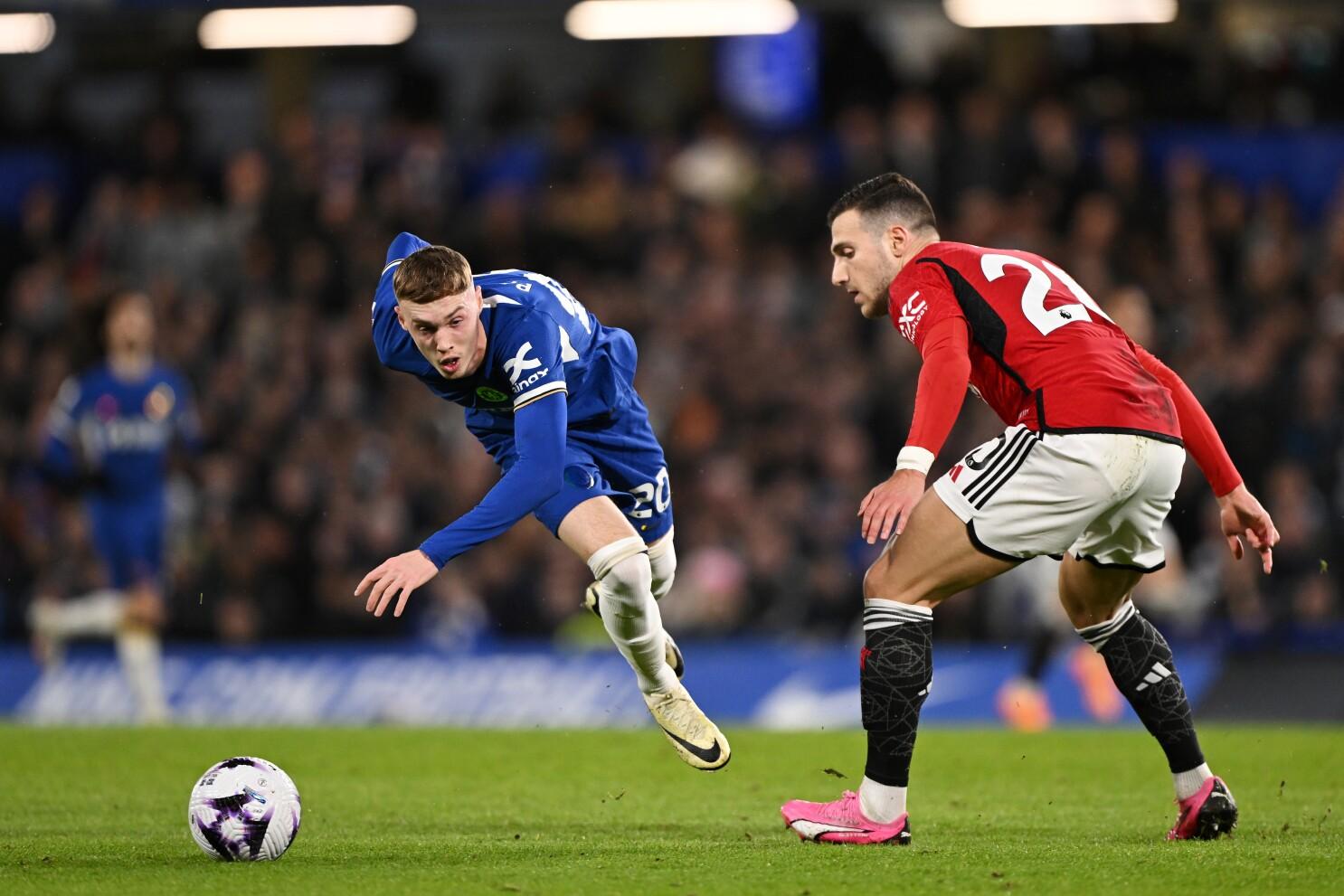
A fixture that rarely disappoints
Chelsea and Manchester United share a long history of competitive encounters, with both clubs accustomed to the pressure that comes with competing at the highest level. Their meetings often combine technical quality, individual brilliance, and tactical adjustments that can shape the outcome.
Playing at Stamford Bridge gives Chelsea the familiarity of their home surroundings, but Manchester United arrive with their own ambitions. The occasion provides an opportunity for both teams to demonstrate their progress and consistency during the 2026/27 campaign.
Chelsea's approach: Possession and attacking movement
Chelsea will look to establish control through their passing game and movement in the attacking third. Quick combinations, overlapping runs, and intelligent positioning between the lines could help them create openings against United's defensive structure.
Maintaining balance will be equally important. Advancing players into attacking positions can create opportunities, but Chelsea must also remain organised when possession changes hands. Losing the ball in midfield could expose spaces for United to exploit.
Manchester United's challenge: Tempo and transitions
Manchester United will aim to combine midfield intensity with direct attacking transitions. Moving the ball forward quickly after regaining possession could allow them to challenge Chelsea before the home side reorganises defensively.
United's ability to manage possession under pressure will also matter. If they can retain the ball effectively and avoid unnecessary turnovers, they may be able to reduce Chelsea's attacking rhythm and create opportunities of their own.
Three key battles to watch
- Midfield control: Which side can dictate the tempo and win second balls?
- Wide attacking areas: Can either team create numerical advantages on the flanks?
- Defensive concentration: How well will each defence respond to quick combinations and counterattacks?
Why the opening stages matter
The first part of the match could reveal each manager's priorities. An aggressive start may put pressure on the opposition, while a patient approach could help either side establish control before committing more players forward.
Set pieces may also prove important, particularly if open-play opportunities are limited. Concentration during corners, free kicks, and defensive transitions can be decisive in matches between closely matched teams.
Final thoughts
Chelsea versus Manchester United offers more than a meeting between two famous clubs. It is a test of tactical flexibility, decision-making, and consistency under pressure. The team that balances attacking ambition with defensive organisation will give itself the best opportunity to deliver a strong performance.
For supporters, the main attraction will be seeing how two different approaches to the game develop across 90 minutes at Stamford Bridge.